


Launch vs ThinkCar – comparación completa de los sistemas de diagnóstico (2026)

Introducción
Cuando se trata de diagnóstico automotriz profesional en el segmento «móvil + nube», dos marcas dominan el mercado: Launch y ThinkCar.
Ambas ofrecen dispositivos VCI Bluetooth, aplicaciones móviles y una amplia cobertura de vehículos, pero sus sistemas, estabilidad y filosofía general difieren más de lo que puede parecer a primera vista.
Esta comparación se centra en las diferencias reales de hardware, software y uso diario en el taller.
Descripción general de las marcas
Launch
Launch Tech es uno de los fabricantes más antiguos y consolidados de equipos profesionales de diagnóstico.
Su ecosistema incluye:
- Dispositivos de diagnóstico X431
- Módulos VCI Bluetooth (serie DBScar)
- Software profesional de servicio
- Funciones de nivel OEM (según el modelo y la licencia)
Launch se ha centrado tradicionalmente en talleres y entornos profesionales de reparación.

ThinkCar
ThinkCar es una marca más reciente que ha crecido rápidamente gracias al diagnóstico móvil y a un enfoque basado en aplicaciones.
Su ecosistema incluye:
- Serie ThinkDiag (ThinkDiag 1, 2, etc.)
- Plataforma ThinkCar PRO
- Funciones de diagnóstico basadas en la nube
ThinkCar está más orientado hacia:
- Usuarios particulares (DIY)
- Diagnóstico móvil
- Acceso más económico a funciones de nivel profesional

Hardware – Launch vs. ThinkCar
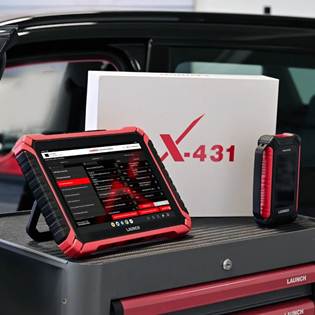
Launch (DBScar / X431 VCI)
- Hardware más estable en el segmento profesional
- Mayor compatibilidad con vehículos antiguos y nuevos
- Soporte más frecuente para protocolos avanzados (DoIP, CAN-FD en modelos más recientes)
- Calidad de construcción física más resistente
ThinkCar (serie ThinkDiag)
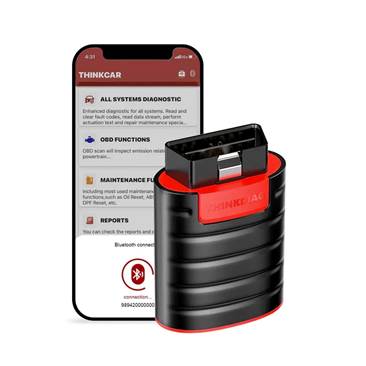
- Adaptadores Bluetooth compactos
- Enfoque en el uso móvil
- Buena calidad de construcción, pero diseño VCI más sencillo
- Implementación más rápida de funciones orientadas al consumidor
Software y sistema
Software Launch
- Sistema profesional X431
- Mayor variedad de funciones de nivel OEM (según la licencia)
- Más estable en diagnósticos complejos
- Menos fácil de usar, pero más potente
Software ThinkCar
- Diseño de interfaz de usuario moderno
- Más fácil de usar
- Curva de aprendizaje más rápida para principiantes
- Algunas funciones avanzadas dependen del modelo y de la suscripción.
Capacidades de diagnóstico
| Función | Launch | ThinkCar |
| Lectura de códigos de avería | ✔✔✔ | ✔✔✔ |
| Datos en vivo | ✔✔✔ | ✔✔✔ |
| Prueba activa | ✔✔✔ | ✔✔✔ |
| Codificación ECU | ✔✔✔ (más amplia) | ✔✔ (más limitado) |
| Funciones de servicio | ✔✔✔ | ✔✔✔ |
| DoIP / CAN-FD | ✔✔✔ | ✔✔✔ (en los modelos más recientes) |
Estabilidad y uso profesional
Ventajas de Launch
- Más estable durante sesiones de diagnóstico prolongadas
- Más adecuado para talleres que trabajan con varios vehículos al día
- Menos problemas de compatibilidad
Ventajas de ThinkCar
- Diagnóstico móvil rápido
- Ideal para trabajos de campo y comprobaciones rápidas
- Instalación y configuración más sencillas
Suscripciones y costes
Launch
- Mayor coste inicial
- Las licencias profesionales suelen ser más caras
- Ecosistema más estable a largo plazo
ThinkCar
- Menor coste de entrada
- Modelos de suscripción flexibles
- Más asequible para usuarios individuales
¿Cuál es mejor para un taller?
Launch es mejor si:
- Gestionas un taller de automoción profesional
- Realizas diagnósticos complejos a diario
- Necesitas máxima estabilidad y un amplio conjunto de funciones
- Trabajas con codificación y pruebas avanzadas
ThinkCar es mejor si:
- Eres un usuario particular (DIY) o un taller pequeño
- Quieres diagnóstico móvil
- Necesitas una herramienta sencilla y rápida
- Realizas diagnósticos ocasionales
Conclusión
Launch vs ThinkCar no es una cuestión de cuál es mejor, sino de para qué se utiliza.
- Launch = diagnóstico profesional a nivel de taller
- ThinkCar = enfoque de diagnóstico moderno, móvil y fácil de usar
En el uso real:
- Launch domina en talleres profesionales y diagnósticos avanzados
- ThinkCar domina en los casos de uso móviles y semiprofesionales