


Avis sur le DBScar VII – expérience, capacités et performances réelles

Introduction
Le Launch DBScar VII (DBScar 7) est l’un des adaptateurs VCI Bluetooth (Vehicle Communication Interface) les plus connus, utilisé avec des plateformes de diagnostic professionnelles telles que le logiciel DiagZone.
Cet appareil est conçu pour les utilisateurs qui souhaitent effectuer des diagnostics automobiles de niveau professionnel via un smartphone ou une tablette, sans avoir besoin d’une tablette de diagnostic dédiée coûteuse.
Cette évaluation se concentre sur les capacités techniques réelles, la compatibilité et les limites pratiques de l’appareil.
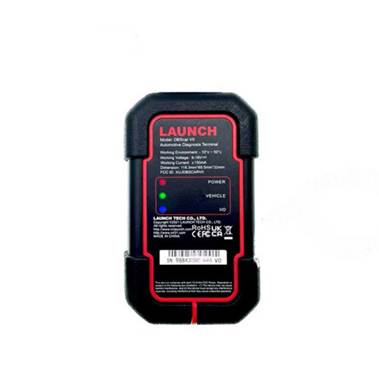
Qu’est-ce que le DBScar VII ?
Le DBScar VII est un adaptateur de diagnostic Bluetooth OBD2 qui sert de pont de communication entre le véhicule et le logiciel de diagnostic exécuté sur un appareil Android.
Selon les spécifications techniques des fabricants et des plateformes de distribution, l’appareil prend en charge :
- Protocoles OBD2 standard (ISO9141, KWP2000, CAN)
- Protocoles avancés tels que CAN-FD et DoIP
- Diagnostic complet du système (selon le logiciel)
- Tests bidirectionnels (Test actif)
- Codage ECU et adaptations (dépendants du logiciel)
Design et qualité de fabrication
Le DBScar VII se présente sous la forme d’un module VCI Bluetooth compact qui se connecte directement à la prise OBD2 du véhicule.
Caractéristiques principales :
- Conception compacte et légère
- Connexion Bluetooth stable
- Connecteur OBD2 renforcé
- Pas d’écran – fonctionne entièrement via une application mobile
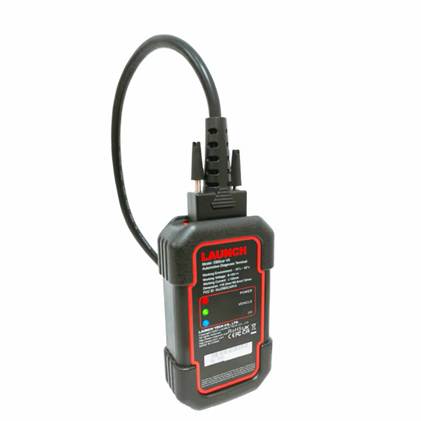
Vous pouvez acheter l’appareil DBScar 7 ici : DBSCAR VII
Compatibilité et logiciels
L’un des aspects les plus importants du DBScar VII est que l’appareil lui-même ne fait rien sans logiciel. Il est principalement utilisé avec l’application DiagZone.
Il est important de noter :
- Le logiciel n’est pas inclus avec l’appareil.
- Une activation ou un abonnement séparé est requis.
- Les fonctions disponibles dépendent de la licence et du véhicule.
Vous pouvez acheter un abonnement pour votre appareil DBScar 7 ici : ABONNEMENT
Performances en utilisation réelle
En utilisation réelle, le DBScar VII se révèle être un outil de diagnostic fiable avec :
- Communication rapide avec les modules ECU
- Connexion Bluetooth stable
- Bonne couverture des véhicules modernes
- Prise en charge des nouveaux protocoles de communication (CAN-FD / DoIP)
L’un des principaux avantages du DBScar VII est la prise en charge de :
- CAN-FD (Controller Area Network Flexible Data-Rate)
- DoIP (Diagnostics over IP)
Cela le rend adapté aux véhicules plus récents, y compris les plateformes modernes qui utilisent une communication plus rapide entre les modules.
Cependant, il est important de comprendre :
- La prise en charge dépend à la fois du véhicule et du logiciel.
- Tous les véhicules ne disposent pas par défaut de toutes les fonctionnalités.
Utilisation réelle en atelier
D’après l’expérience des utilisateurs et la structure technique d’appareils Launch similaires, le DBScar VII est principalement utilisé pour :
- Diagnostic mobile professionnel
- Travail dans les petits et moyens ateliers
- Diagnostic à distance (via téléphone/tablette)
- Fonctions de service avancées (réinitialisations, adaptations)
En pratique, ce n’est pas un simple scanner OBD2 d’entrée de gamme, mais un outil qui appartient à la catégorie des équipements de diagnostic professionnels.
Avantages du DBScar VII
- Prise en charge des protocoles modernes (CAN-FD / DoIP)
- Diagnostic de niveau OE (avec le logiciel approprié)
- Large compatibilité avec les systèmes DiagZone
- Connexion Bluetooth stable
- Adapté au diagnostic mobile
Inconvénients
- Aucune fonctionnalité sans application et licence
- Les performances dépendent de la version du logiciel.
- Il existe sur le marché plusieurs « versions » et modèles rebaptisés.
- Il n’est pas toujours clair quelle version du firmware ou du matériel est fournie.
DBScar VII vs. « Adaptateurs OBD basiques »
Comparé aux adaptateurs OBD standard :
- Le DBScar VII offre des capacités de communication nettement plus avancées.
- Prend en charge davantage de systèmes et de protocoles
- Fonctionne avec des logiciels de diagnostic professionnels
Conclusion
Le DBScar VII est un adaptateur VCI sérieux pour les utilisateurs qui travaillent déjà dans l’écosystème Launch/DiagZone.
Ce n’est pas un outil de diagnostic autonome, mais une interface de communication professionnelle qui, combinée au logiciel approprié, permet des diagnostics avancés des véhicules à un niveau proche de l’OEM.