

ISO 11898-2 Vysokorýchlostný CAN: Štandard pre rýchlu a spoľahlivú komunikáciu vo vozidle
ISO 11898-2, známy aj ako vysokorýchlostný CAN, je medzinárodný štandard pre komunikáciu vo vozidle založený na technológii Controller Area Network (CAN). Tento protokol umožňuje rýchlu a spoľahlivú výmenu dát medzi modulmi ECU, čo je kľúčové pre moderné vozidlá s komplexnými elektronickými systémami.
Ako funguje vysokorýchlostný CAN
Vysokorýchlostný CAN využíva obojsmerný diferenciálny prenos dát s rýchlosťou až 1 Mbit/s, čo zaručuje minimálnu latenciu a vysokú spoľahlivosť. Štandard definuje:
- Fyzická vrstva a elektrické charakteristiky komunikácie
- Štruktúra rámca správy pre efektívny prenos dát
- Mechanizmy detekcie chýb a opakovaného prenosu
Tento protokol je obzvlášť vhodný pre kritické systémy vozidla, ako sú riadenie motora, brzdy, airbagy a moduly ABS, kde je spoľahlivosť komunikácie nevyhnutná.
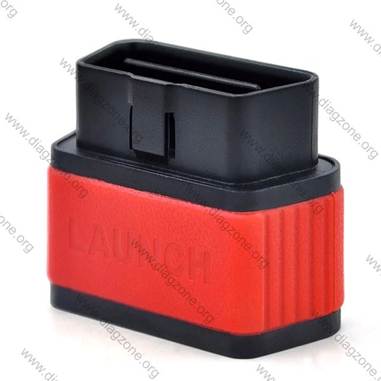
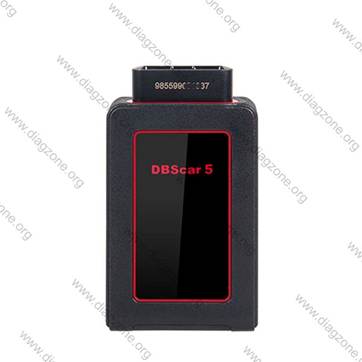
OBD-II adaptéry Launch, ktoré podporujú protokol:
DBScar I, DBScar II, DBScar III, DBScar IV, DBScar V, DBScar VII
Zariadenia ThinkDiag, ktoré podporujú protokol:
ThinkDiag, ThinkDiag 2
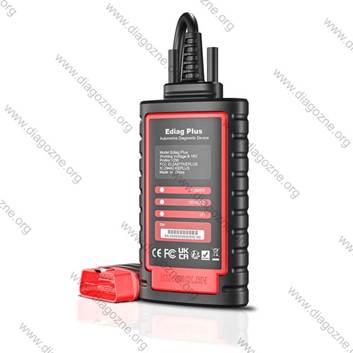
Zariadenia Ediag, ktoré podporujú protokol:
Ediag YA-101, Ediag YA-201, Ediag Plus, Ediag Elite
Typy vozidiel a značky podporované protokolom:
Osobné a ľahké úžitkové vozidlá všetkých hlavných výrobcov vrátane Volkswagen, Audi, BMW, Mercedes-Benz, Toyota, Honda, Nissan, Mazda, Ford, GM; modely približne od roku 2003.
Vysokorýchlostný CAN umožňuje rýchlu a spoľahlivú komunikáciu medzi modulmi ECU s rýchlosťami 500 kbit/s alebo 250 kbit/s.
Výhody ISO 11898-2 vysokorýchlostného CAN
- Vysoké rýchlosti prenosu dát až do 1 Mbit/s
- Spoľahlivá a robustná komunikácia v automobilových prostrediach
- Štandardizovaný a široko použiteľný naprieč rôznymi typmi vozidiel
- Podporuje diagnostiku v reálnom čase a monitorovanie kritických systémov
- Ideálny pre moderné vozidlá s viacerými modulmi ECU
Nevýhody a obmedzenia
- Vyžaduje kompatibilné diagnostické nástroje
- Zložitejšia implementácia v porovnaní s nízkorýchlostným CAN alebo staršími protokolmi
- Obmedzený na vozidlá využívajúce vysokorýchlostné siete CAN
- Pre optimálnu prevádzku je potrebná správna konfigurácia modulov ECU
Použitie vysokorýchlostného CAN
Vysokorýchlostný CAN sa používa na diagnostiku motorov, ABS, airbagov, prevodoviek a ďalších kritických modulov. Jeho rýchlosť a spoľahlivosť z neho robia štandard pre bezpečnú a efektívnu komunikáciu v moderných vozidlách.
Záver
ISO 11898-2 (vysokorýchlostný CAN) tvorí základ modernej automobilovej komunikácie. Poskytuje rýchlu, spoľahlivú a štandardizovanú diagnostiku, čím uľahčuje servis a údržbu komplexných elektronických systémov v moderných vozidlách.
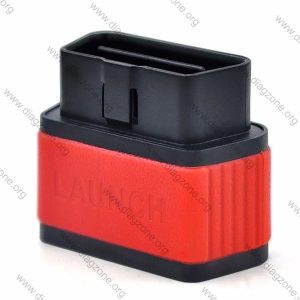 Diagzone Dbscar 1 X431
 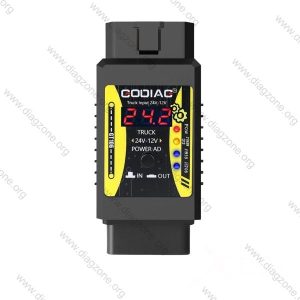 Napájací adaptér GT106 Plus pre ťažké nákladné vozidlá / adaptér z 24V na 12V
 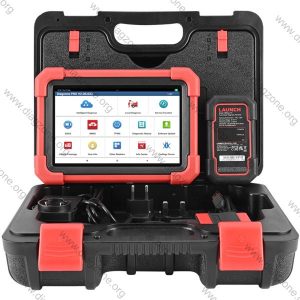 Diagzone diagnostická sada DBSCAR 7
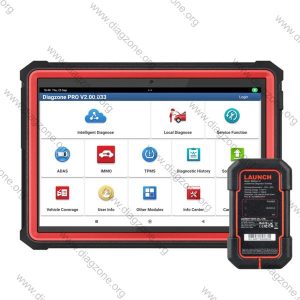
  Android DiagZone 10-palcový OBD2 tablet – Profesionálna diagnostika
 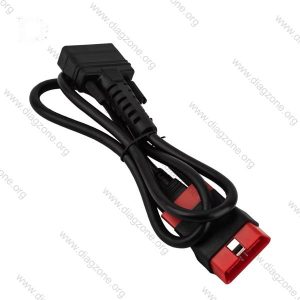 Kábel pre DBScar VII – originálny hlavný diagnostický kábel (VCI)
  Diagzone Diagnostická sada DBSCAR 7 MAX