


Launch vs ThinkCar – comparação completa dos sistemas de diagnóstico (2026)

Introdução
Quando se trata de diagnóstico automóvel profissional no segmento “móvel + cloud”, duas marcas dominam o mercado: Launch e ThinkCar.
Ambas oferecem dispositivos VCI Bluetooth, aplicações móveis e ampla cobertura de veículos, mas os seus sistemas, estabilidade e filosofia geral diferem mais do que pode parecer à primeira vista.
Esta comparação centra-se nas diferenças reais de hardware, software e utilização diária na oficina.
Visão geral das marcas
Launch
A Launch Tech é um dos fabricantes mais antigos e estabelecidos de equipamentos profissionais de diagnóstico.
O seu ecossistema inclui:
- Dispositivos de diagnóstico X431
- Módulos VCI Bluetooth (série DBScar)
- Software profissional de serviço
- Funções de nível OEM (dependendo do modelo e da licença)
A Launch está tradicionalmente focada em oficinas e ambientes profissionais de reparação.

ThinkCar
A ThinkCar é uma marca mais recente que cresceu rapidamente graças ao diagnóstico móvel e a uma abordagem baseada em aplicações.
O seu ecossistema inclui:
- Série ThinkDiag (ThinkDiag 1, 2, etc.)
- Plataforma ThinkCar PRO
- Funções de diagnóstico baseadas na nuvem
A ThinkCar está mais orientada para:
- Utilizadores de bricolage (DIY)
- Diagnóstico móvel
- Acesso mais económico a funções de nível profissional

Hardware – Launch vs ThinkCar
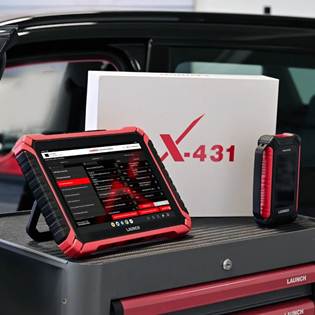
Launch (DBScar / X431 VCI)
- Hardware mais estável no segmento profissional
- Maior compatibilidade com veículos antigos e recentes
- Suporte mais frequente para protocolos avançados (DoIP, CAN-FD em modelos mais recentes)
- Qualidade de construção física mais robusta
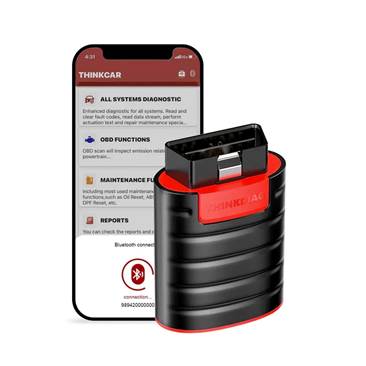
ThinkCar (série ThinkDiag)
- Adaptadores Bluetooth compactos
- Foco na utilização móvel
- Boa qualidade de construção, mas design VCI mais simples
- Implementação mais rápida de funcionalidades orientadas para o consumidor
Software e sistema
Software Launch
- Sistema profissional X431
- Maior variedade de funções de nível OEM (dependendo da licença)
- Mais estável em diagnósticos complexos
- Menos intuitivo, mas mais poderoso
Software ThinkCar
- Design de interface de utilizador moderno
- Mais fácil de utilizar
- Curva de aprendizagem mais rápida para iniciantes
- Algumas funções avançadas dependem do modelo e da subscrição.
Capacidades de diagnóstico
| Função | Launch | ThinkCar |
| Leitura de códigos de avaria | ✔✔✔ | ✔✔✔ |
| Dados em tempo real | ✔✔✔ | ✔✔✔ |
| Teste ativo | ✔✔✔ | ✔✔✔ |
| Codificação da ECU | ✔✔✔ (mais amplo) | ✔✔ (mais limitado) |
| Funções de serviço | ✔✔✔ | ✔✔✔ |
| DoIP / CAN-FD | ✔✔✔ | ✔✔✔ (nos modelos mais recentes) |
Estabilidade e utilização profissional
Vantagens da Launch
- Mais estável durante longas sessões de diagnóstico
- Mais adequado para oficinas que trabalham diariamente com vários veículos
- Menos problemas de compatibilidade
Vantagens da ThinkCar
- Diagnóstico móvel rápido
- Ideal para trabalho de campo e verificações rápidas
- Instalação e configuração mais fáceis
Subscrições e custos
Launch
- Custo inicial mais elevado
- As licenças profissionais são frequentemente mais caras
- Ecossistema mais estável a longo prazo
ThinkCar
- Menor custo de entrada
- Modelos de subscrição flexíveis
- Mais acessível para utilizadores individuais
Qual é melhor para uma oficina?
A Launch é melhor se:
- Gere uma oficina automóvel profissional
- Realiza diagnósticos complexos diariamente
- Precisa de máxima estabilidade e de um conjunto completo de funcionalidades
- Trabalha com codificação e testes avançados
A ThinkCar é melhor se:
- é um utilizador DIY ou uma pequena oficina
- Quer diagnóstico móvel
- Precisa de uma ferramenta simples e rápida
- Realiza diagnósticos ocasionais
Conclusão
Launch vs ThinkCar não é uma questão de qual é melhor, mas sim para que é utilizado.
- Launch = diagnóstico profissional ao nível de oficina
- ThinkCar = abordagem de diagnóstico moderna, móvel e fácil de utilizar
Na utilização real:
- A Launch domina em oficinas profissionais e diagnósticos avançados
- A ThinkCar domina em utilizações móveis e semiprofissionais